Metro
Metro staff seek approval to buy $50 million cyber insurance policy for up to $2.7 million
The one-year policy would cover ransomware, breach response and data recovery costs starting September 1, 2026.
Metro··$2.7M
The one-year policy would cover ransomware, breach response and data recovery costs starting September 1, 2026.
Federal money would fund extra transit service, rail and station safety work, and traffic management for the Olympics and Paralympics.
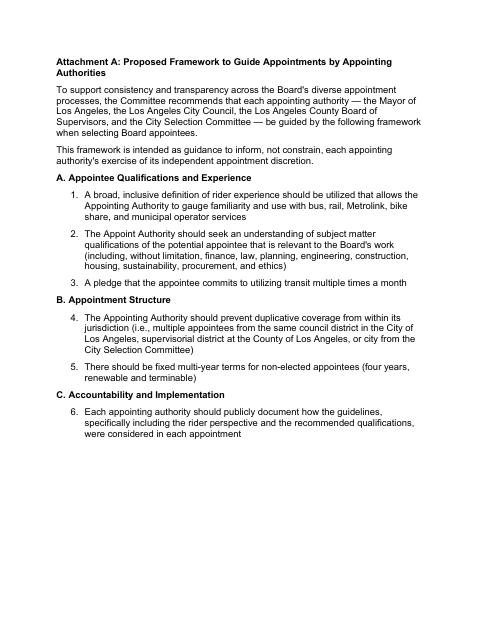
Alternative A would let the County, City, City Selection Committee and Governor fill seats with riders or experts.
Riders would need to tap their card to leave more Metro stations, with LAPD and LAFD reporting quarterly on service calls.
Grant money would add bike share stations and bikes to connect areas that are now separated by service gaps.
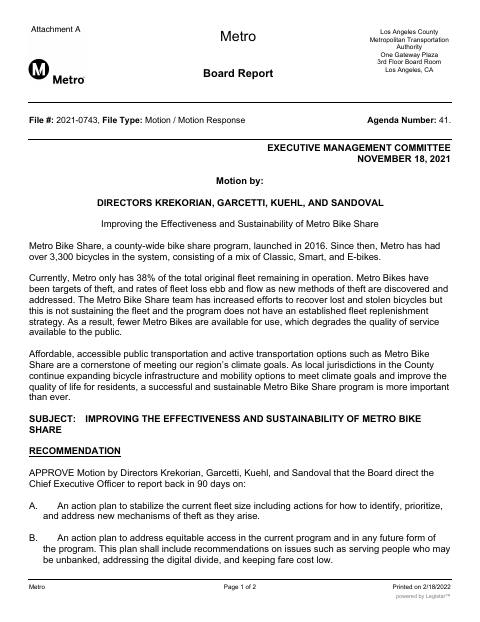
Up to six one-month extensions with Bicycle Transit Systems would add $6,505,955, raising the contract to $144,167,333.
The added money would raise GP Generate's contract for Metro advertising and communications work to $4,451,213.
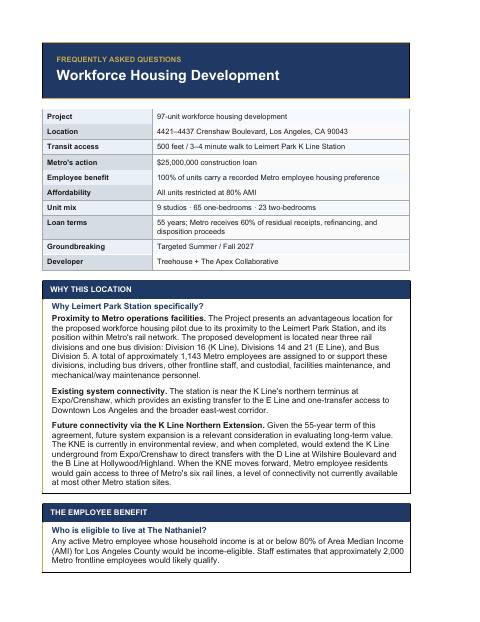
All units would be rent-restricted at 80% of area median income, with a recorded hiring preference for Metro employees.
The no-cost extensions would keep Clean Energy Renewable Fuels and another supplier delivering bus fuel through June 30, 2027.
Deals with a grant manager and Metro would run to March 31, 2027, with the consultant's ceiling cut by $43,389.38.
Metro's board would find that teleconference meetings of its advisory committees improve public access.
The firm also represents Metro, which the city is suing in two unrelated cases, so it needs the city's written consent.
Seven firms would provide Metro staff training, coaching and eLearning under task orders starting August 10, 2026.
The money would fund two new walking and biking projects and five new transit projects, with about seven done by the 2028 Games.